
Advice to senior caregivers about selling the home.
Selling a parent’s home while you’re caregiving is part financial decision, part emotional landmine. The biggest mistakes happen when families rush it or treat it like a normal real estate transaction—it isn’t. Here’s grounded advice that helps you protect both the family and the outcome.
1) Don’t Sell Too Early—or Too Late
Many families feel pressure to “just sell the house” to pay for care. That can backfire.
- Too early: You lose a major financial asset and flexibility (especially if care needs change).
- Too late: You’re forced into a rushed sale under stress, often leaving money on the table.
Better approach:
Time the sale around a
clear care plan (assisted living vs memory care vs in-home care), not just urgency.
2) Understand How the Home Affects Paying for Care
Before listing the house, know how it fits into the bigger picture:
- Will proceeds fund private pay care?
- Is Medicaid a future possibility? (Home sale can impact eligibility)
- Are there tax implications (capital gains, step-up in basis)?
A quick consult with an elder law attorney or financial planner can prevent expensive mistakes.
3) Get Legal Authority First
If your parent can’t make decisions independently, you need the right authority:
- Power of Attorney (POA)
- Trust documents
- Guardianship (if necessary)
Trying to sell without this in place can delay everything right when time matters most.
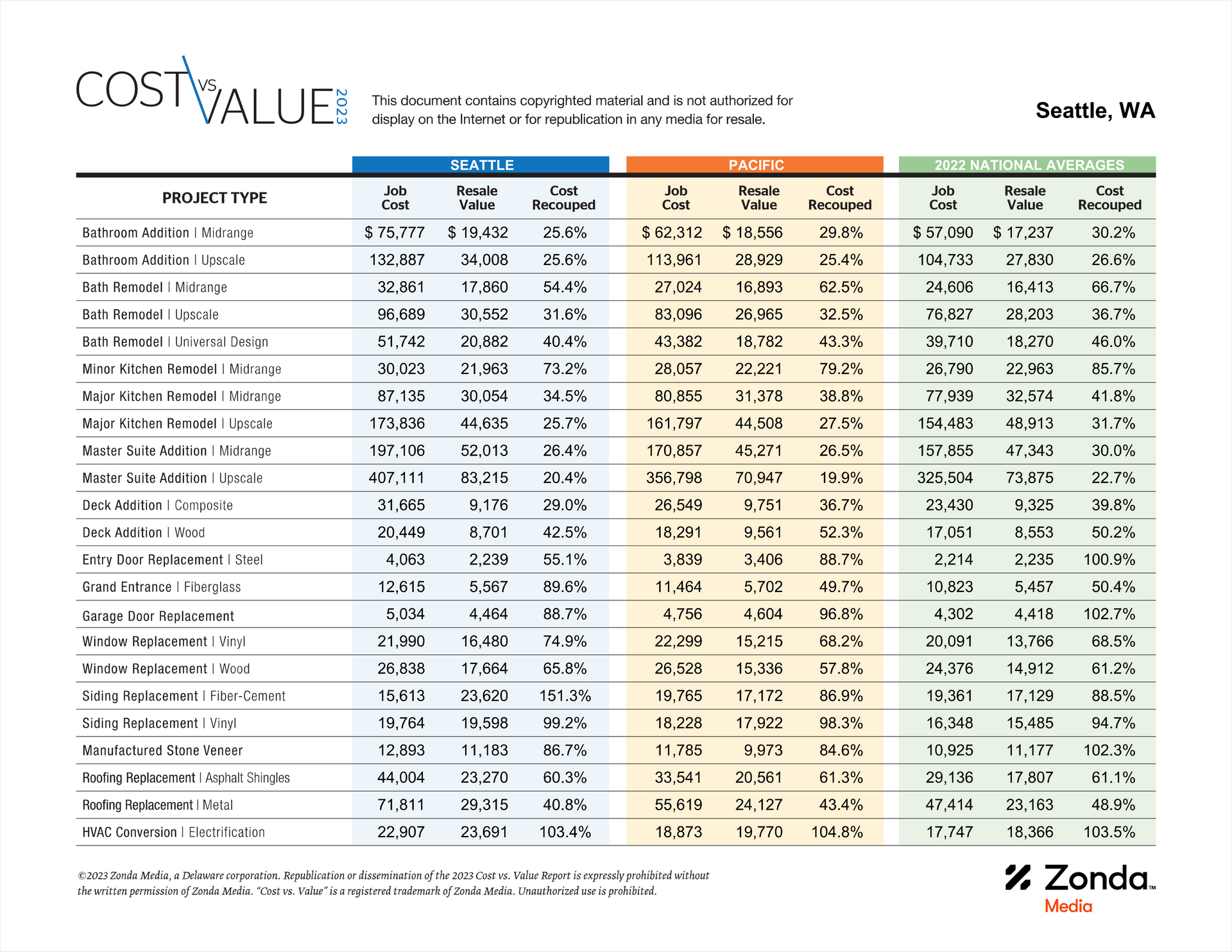
4) Don’t Over-Improve the Property
Caregivers often think they need to “fix everything” before selling.
In reality:
- Most senior homes sell best with light clean-up, not full remodels
- Major renovations rarely return full value in a time-sensitive situation
Focus on:
- Decluttering
- Basic repairs
- Clean, safe presentation
5) Choose the Right Selling Strategy (This Matters a Lot)
You have more than one option:
Traditional listing
- Highest potential price
- Slower (30–90+ days)
As-is sale/investor
- Faster (days to weeks)
- Lower price
Hybrid (ideal in many caregiving cases)
- Light prep + strategic pricing
- Balance of speed and value
The right choice depends on:
- How urgent placement is
- Cash needs
- Property condition
6) Coordinate the Move and the Sale Together
This is where many families struggle.
- Selling first can leave your parent in limbo
- Moving first without a plan can create financial strain
Best case:
Align the timeline so:
- Move-in is secured
- Sale supports ongoing care costs
This is where having both a placement advisor + real estate strategy working together is a big advantage.
7) Prepare for Emotional Resistance
Even when the move is necessary, the home represents independence and identity.
Common reactions:
- “I’m not ready”
- “I’ll go back home soon”
- Avoidance or refusal to engage
What helps:
- Framing the sale as part of a safety plan, not a loss
- Involving them in small decisions when possible
- Moving meaningful items, not just essentials
8) Watch for Family Conflict
Money + stress + siblings = friction.
Avoid issues by:
- Setting clear expectations early
- Communicating the plan
- Documenting decisions
If needed, bring in a neutral third party (advisor, attorney).
9) Work With Professionals Who Understand BOTH Sides
Most real estate agents don’t understand senior transitions.
Most placement advisors don’t understand real estate timing.
You want someone who understands:
- urgency of placement
- family dynamics
- financial implications of the home
Simple Rule of Thumb
Don’t treat the house as just a property—treat it as part of the care plan.
WHO TO TALK TO? Give Us A Call For A No-Obligation Consultation and Referral to Our Vetted Professional Resources...

Closing Costs
Before selling your home, you need to know how much money you're likely to receive from the sale. There will be closing costs that most sellers don't know about. These expenses can impact your decision to sell and should be calculated carefully. In our guides to closing costs for home sellers, our experts go over this topic to help you save money.

Divorce
Divorce proceedings bring additional complexity to a property sale. An already emotional transaction can become even more highly charged than usual. Homeowners who are in or contemplating divorce need to educate themselves on the facts regarding the liquidation of what is probably the largest marital asset.

Fast Cash Sale
According to the National Association of Realtors, the number of cash home purchases is growing rapidly. There are pros and cons for homeowners who sell for cash. The timeline and costs will differ greatly from a financed purchase. Home sellers should prepare themselves by examining cash sales before marketing their homes.

Foreclosure
If your house is being foreclosed on by your lender, are your hands tied or do you have the option of selling your home? The frightening prospect of foreclosure can be more effectively managed when you know the process and your possible options. You may be able to emerge from foreclosure in better shape than you thought.

Inheritance
Trying to sell a property that you acquired by inheritance may be a lengthy procedure. Understanding the ins and outs of selling an inherited house can prevent unexpected delays and tax consequences. Investigate this topic and benefit from the experience of our professionals sharing their knowledge in our articles for heirs selling real estate

Poor Condition
Selling a home that's in poor condition may not be ideal, but it's doable. There are buyers you may not have been aware of who look for properties like yours. Many times these buyers are willing to take the property as-is. Eliminating the cost of repairs may give you more leeway in the price that you can accept.

Realtors
In your state, you may be held accountable for the way in which you sell your home with or without an agent. A realtor can help you avoid legal entanglements in addition to the hassle of selling your property. This can make an agent's commission well worth it. However, you need to know how to choose realtors and work with them to avoid getting into a bad deal.

Relocation
Relocation is a driving force behind the strongest housing markets in the country. If you or your buyer are relocating, it will affect the negotiation of the sales contract. Relocating sellers with children have needs that may impact their decisions. Our articles on this topic help home sellers find the best way to relocate and sell their property with the least amount of hassle.

Short Sale
In a short sale, the lender allows the property to be sold for less than they are owed. After the sale, you may or may not owe the remainder of the balance. This may be the only way to sell a house that costs less than the mortgage amount. While with a short sale, you can get out of a bad situation, regroup, and move on, there is much to learn about this complex procedure.

Taxes
When selling your property, its title must be cleared of any debt in order to be transferred to the new owner. A property, IRS or state tax lien may complicate the sale by putting a restriction on your right to transfer the title. Our resources on this topic will help you understand what to do to if you owe back taxes and want to sell your home.